Share
How to Choose the Right Nicotine Strength for E-Liquid (UK Guide)
Choosing the right e-liquid nicotine strength is one of the most important decisions when switching from smoking to vaping. The correct nicotine level helps control cravings, improves satisfaction, and makes the transition away from cigarettes much easier.
How to Choose the Right Nicotine Strength
In this UK guide, we explain how to choose nicotine strength based on:
- Your smoking habits
- Your vape device
- The difference between freebase and nic salts
- Signs you need to adjust your level
What Is Nicotine in E-Liquid?
Nicotine is a naturally occurring stimulant found in tobacco. In vaping, nicotine is added to e-liquid (vape juice) in controlled strengths measured in milligrams per millilitre (mg/ml).
In the UK, the legal maximum nicotine strength is 20mg (2%), as regulated by the Tobacco Products Directive (TPD).
When inhaled, nicotine:
- Stimulates dopamine release
- Reduces cravings
- Provides a throat hit sensation
- Helps replace cigarette habits
Choosing the correct strength ensures you get satisfaction without discomfort.
Why Nicotine Strength Matters in Vaping
The nicotine level you choose directly affects:
- Throat hit intensity
- Craving control
- How often you vape
- Overall satisfaction
- Risk of side effects
If nicotine is too low, you may:
- Keep vaping constantly
- Still crave cigarettes
- Feel unsatisfied
If nicotine is too high, you may:
- Feel dizzy
- Experience headaches
- Notice a harsh throat hit
- Feel nausea
Finding the right balance is key.
Understanding E-Liquid Nicotine Strength Levels (UK)
0mg – Nicotine-Free
- No nicotine
- Ideal for flavour enjoyment
- Suitable for those who have already quit nicotine
3mg – Low Strength
- Best for light smokers
- Ideal for sub-ohm devices
- Produces smoother vapour
6mg – Medium-Low Strength
- Light-to-moderate smokers
- Works well in low-wattage devices
- Balanced throat hit
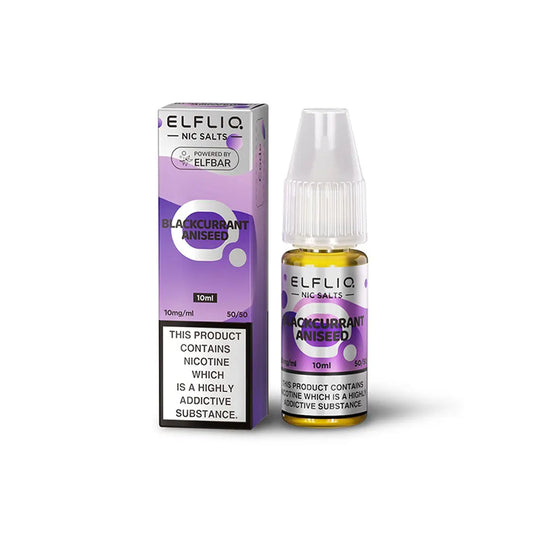
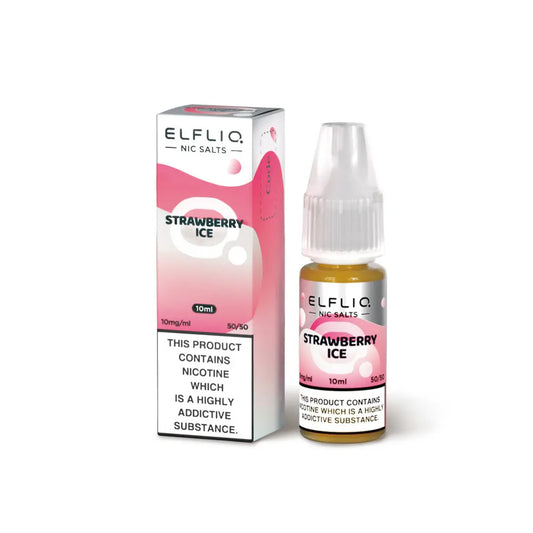
10mg – Nicotine Salts
- Smooth inhale
- Good for moderate smokers
- Ideal for pod kits
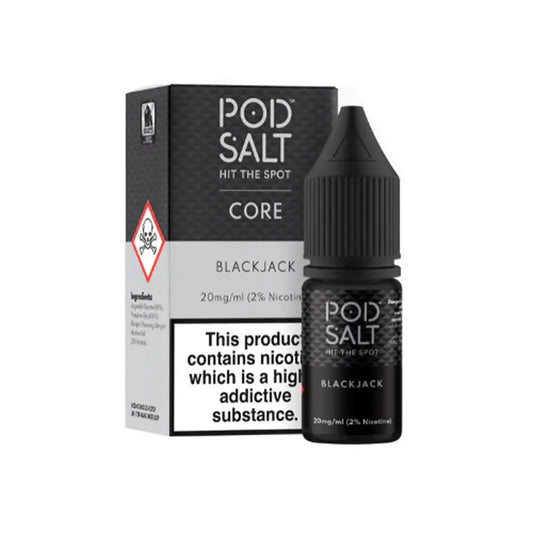
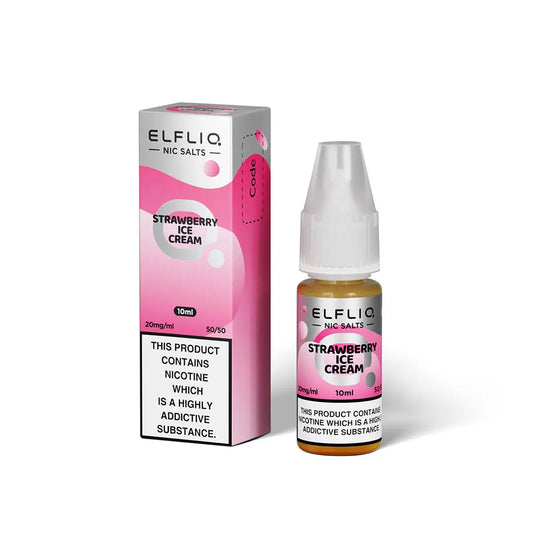
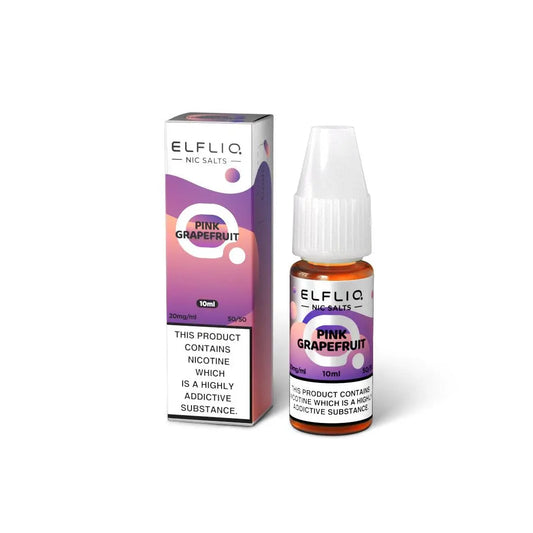
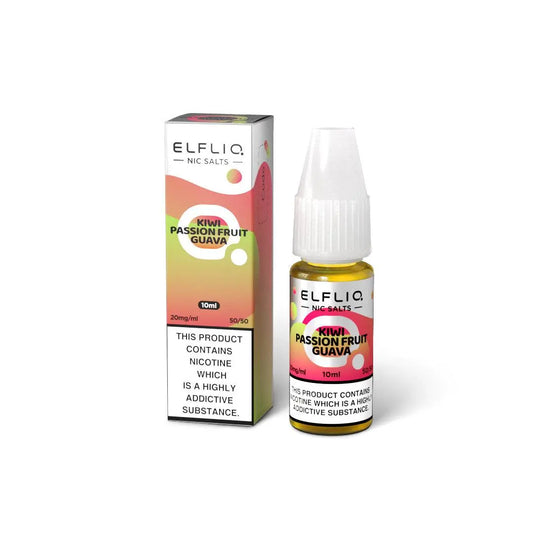
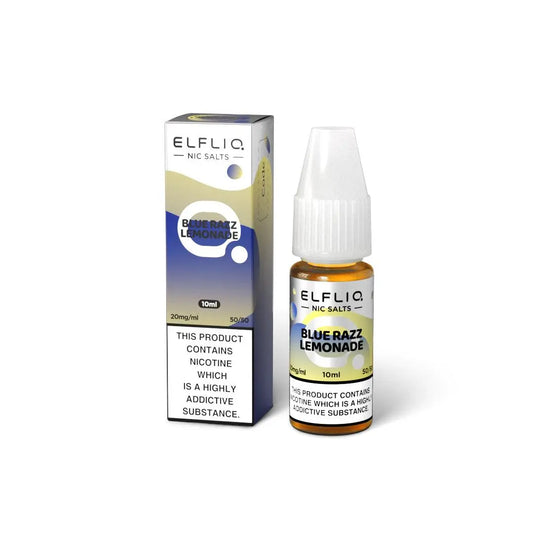
20mg – Nic Salts (Maximum UK Strength)
- Strong nicotine delivery
- Suitable for heavy smokers (10–20 cigarettes per day)
- Designed for low-powered pod systems
Freebase vs Nicotine Salts – Which Is Better?
Freebase Nicotine
- Stronger throat hit
- Slower absorption
- Common in 3mg and 6mg
-
Best for sub-ohm kits
Nicotine Salts
- Smoother inhale
- Faster absorption
- Available in 10mg & 20mg
-
Ideal for beginners and ex-smokers
For most people switching from cigarettes, nicotine salts provide a smoother and more cigarette-like experience.

How to Choose Nicotine Strength Based on Smoking Habits
|
Smoking Habit |
Recommended Nicotine Strength |
|
Non-smoker / flavour only |
0mg |
|
1–5 cigarettes per day |
3mg–6mg or 10mg nic salt |
|
5–15 cigarettes per day |
10mg–20mg nic salt |
|
20+ cigarettes per day |
20mg nic salt |
Choosing Based on Device Type
Pod Kits & MTL Devices
Best with:
-
10mg nic salts
- 20mg nic salts
These devices are designed for higher nicotine with lower vapour output.
Sub-Ohm & High-Power Devices
Best with:
- 3mg freebase
- 6mg freebase
High vapour production means lower nicotine is recommended.
Signs You Should Adjust Your Nicotine Level
Too High?
- Headaches
- Dizziness
- Nausea
- Harsh throat hit
→ Reduce your strength.
Too Low?
- Constant cravings
- Frequent puffing
- Irritability
- Thinking about cigarettes
→ Increase your strength.

Can You Reduce Nicotine Over Time?
Yes. Many vapers gradually step down:
20mg → 10mg → 6mg → 3mg → 0mg
Reducing slowly helps manage cravings without sudden withdrawal.
Quick Nicotine Strength Guide
Best nicotine strength for beginners: 10mg or 20mg nic salts
Best for heavy smokers: 20mg nic salts
Best for sub-ohm devices: 3mg–6mg freebase
Best for flavour only: 0mg

Ready to Choose Your Nicotine Strength?
If you’re unsure, it’s usually better to start slightly higher and adjust down rather than struggle with cravings.
Explore:
- Pod-compatible nic salts
- Sub-ohm freebase e-liquids
-
Beginner vape kits
Choosing the correct nicotine strength makes vaping more satisfying and improves your chances of staying smoke-free.